A community statement
A shared position on evaluation and methodology: the pitfalls both fields hit and what better practice looks like.
 2nd editionHalf-day workshop at EuroVis 2027
Both fields project complex, high-dimensional structure into readable low-dimensional pictures. GDxDR brings the two communities into one room to compare methods, question evaluation practice, and plan work together.
All deadlines are 23:59:59 Anywhere on Earth (AoE).
Graph drawing and dimensionality reduction share many methodological, theoretical and practical challenges: scalability, ambiguity, and the reliability of what a layout appears to show. Yet the two communities often develop in parallel, with limited exchange of techniques, assumptions and evaluation practices.
The workshop is a space for open, critical and constructive discussion where the fields meet. Core themes are common evaluation pitfalls and their alternatives, how domain experts actually use these methods, and reliability questions such as comparing real and synthetic user data.
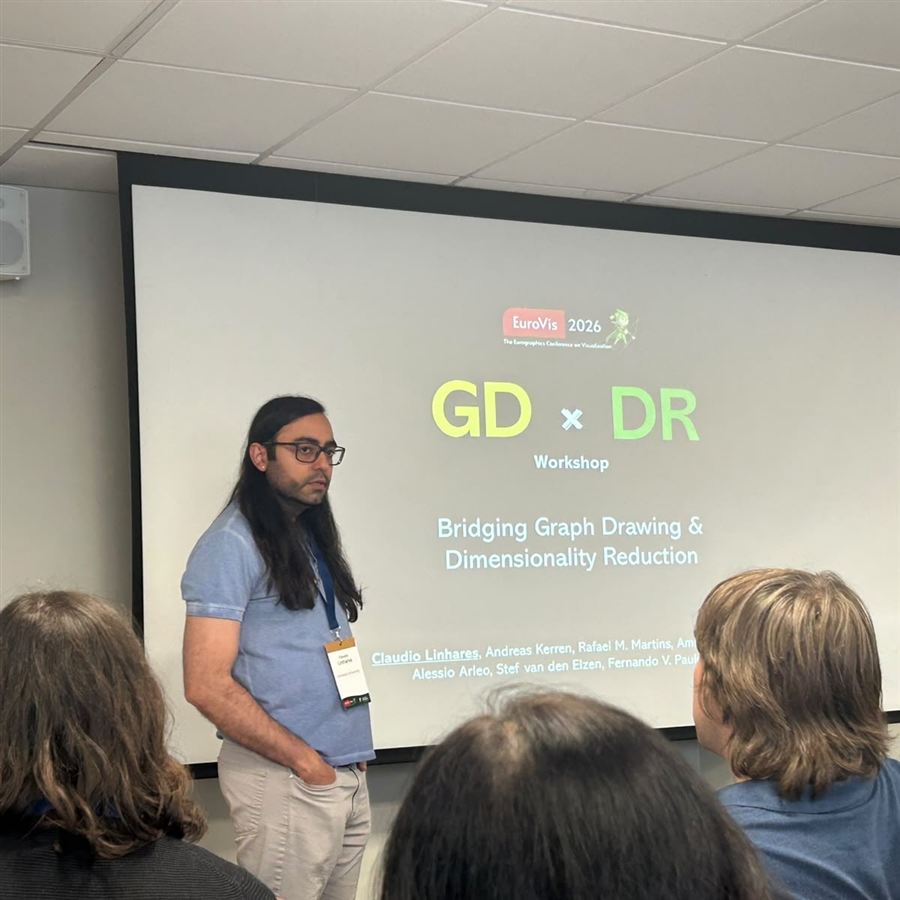
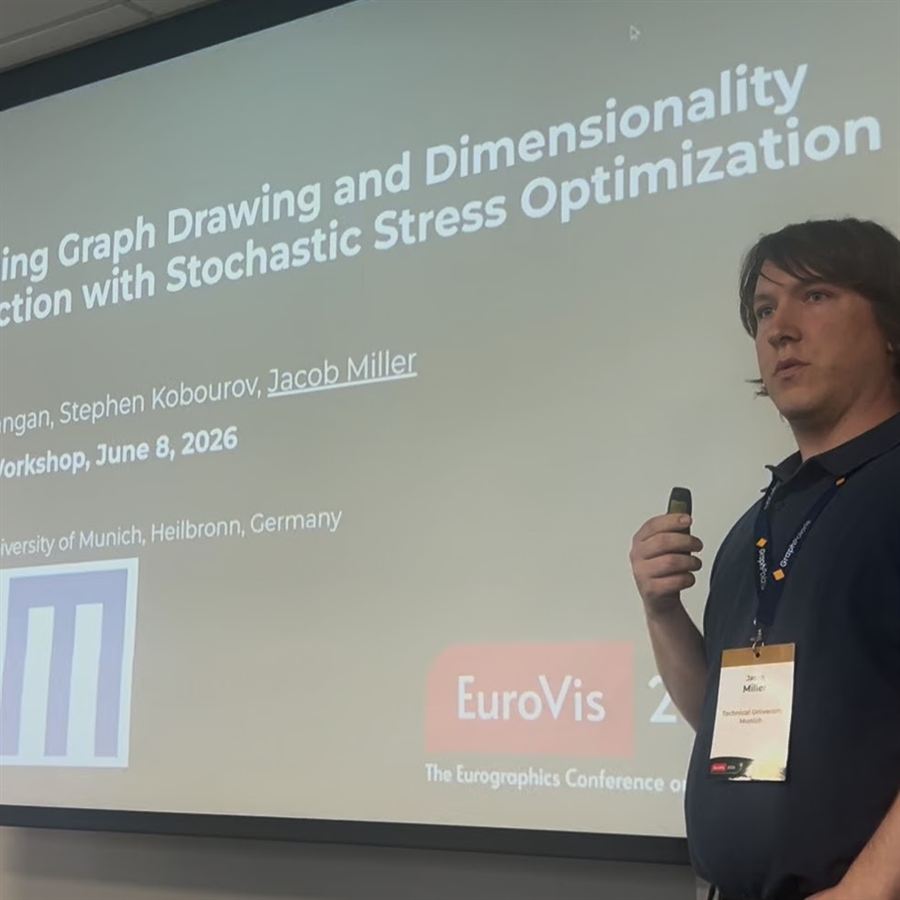
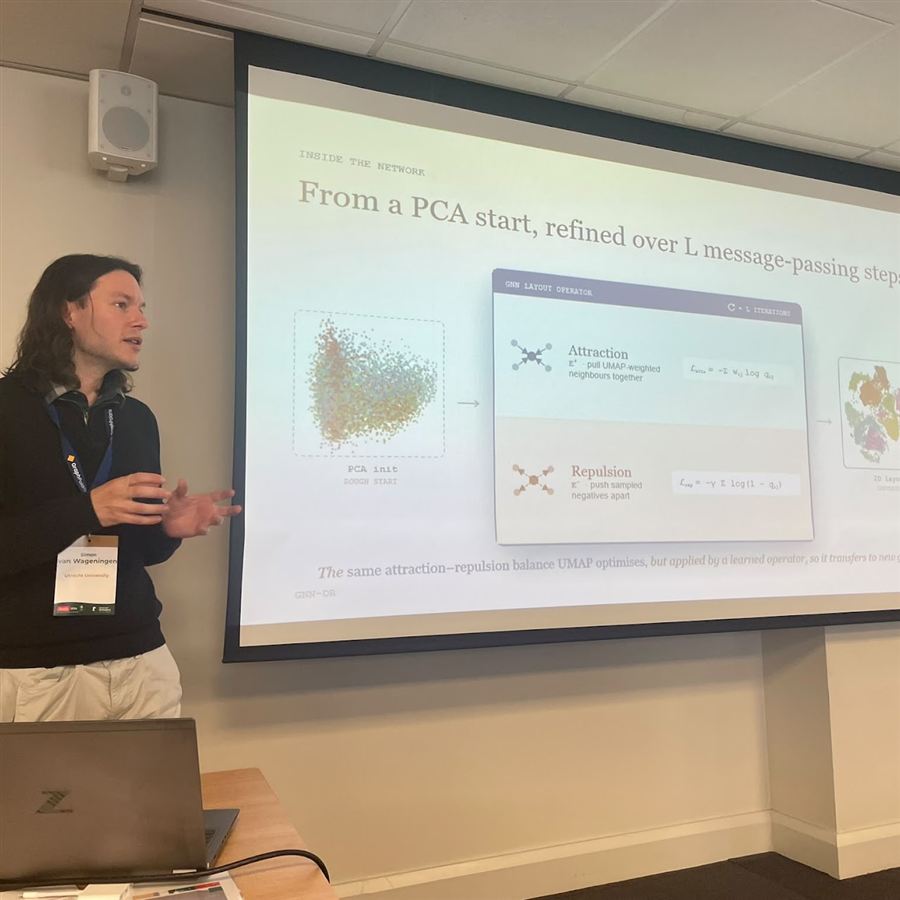
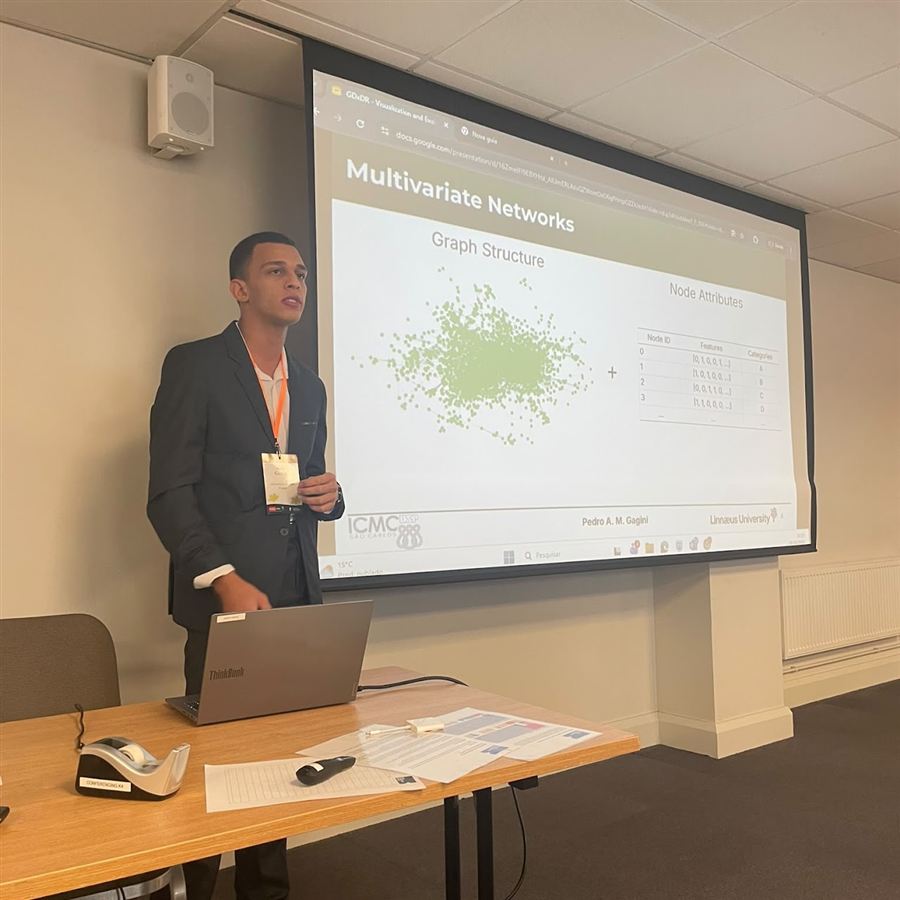
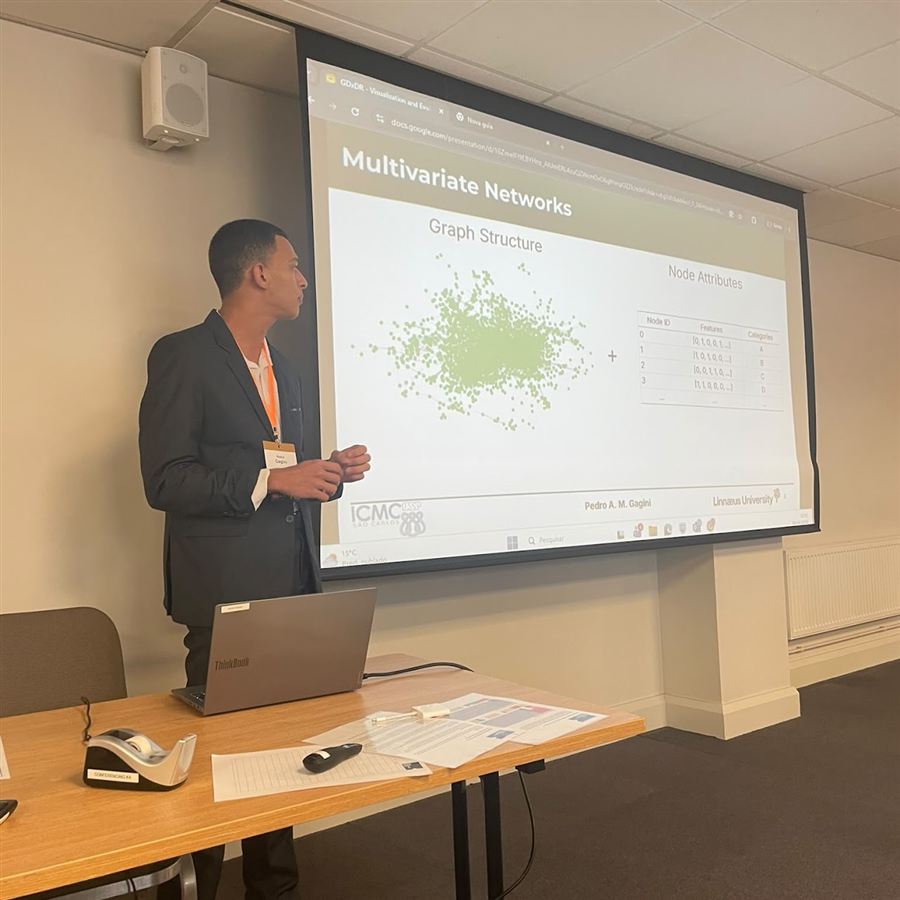
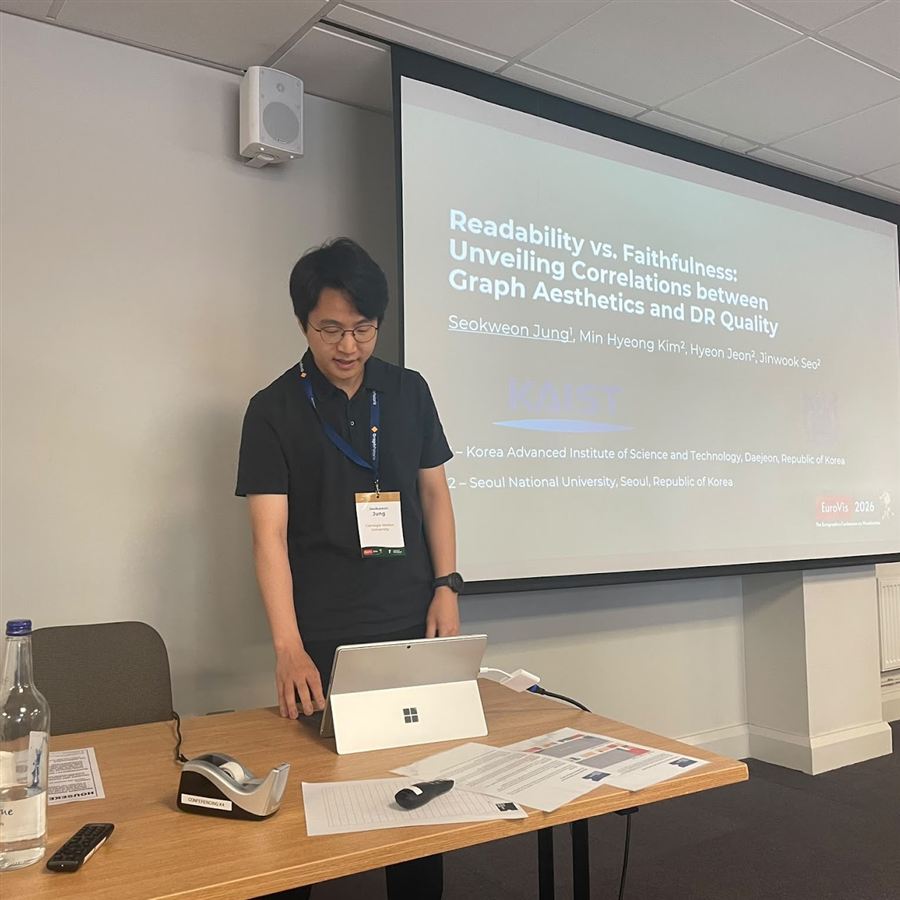
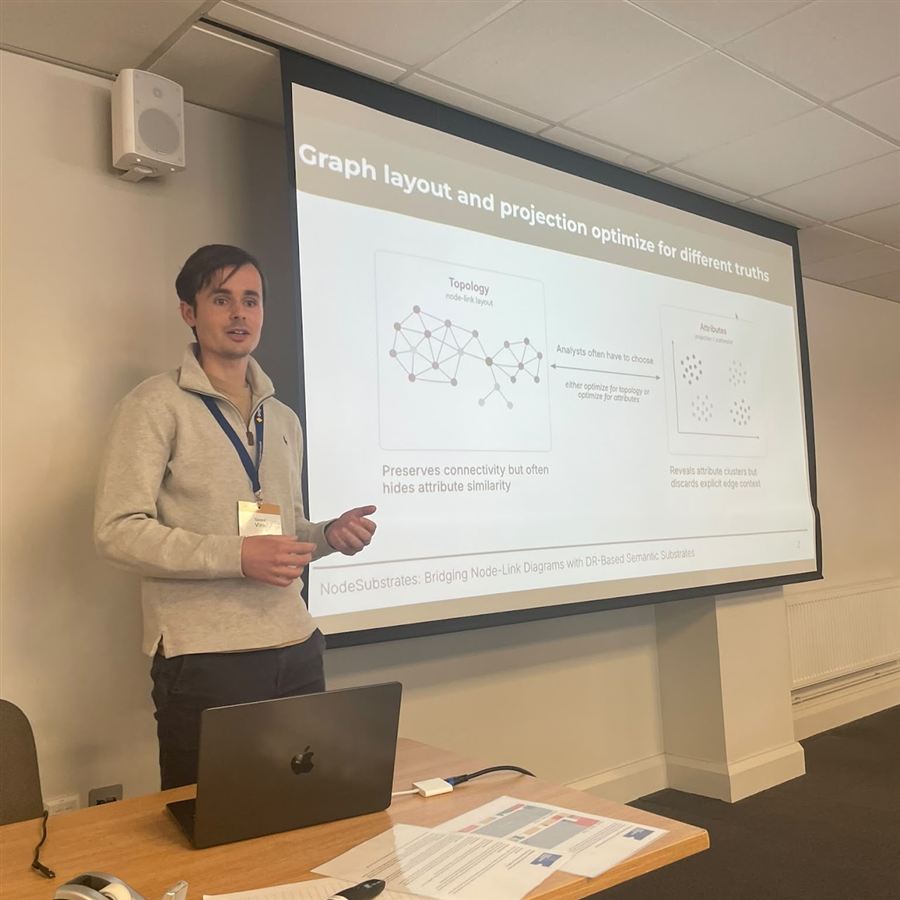
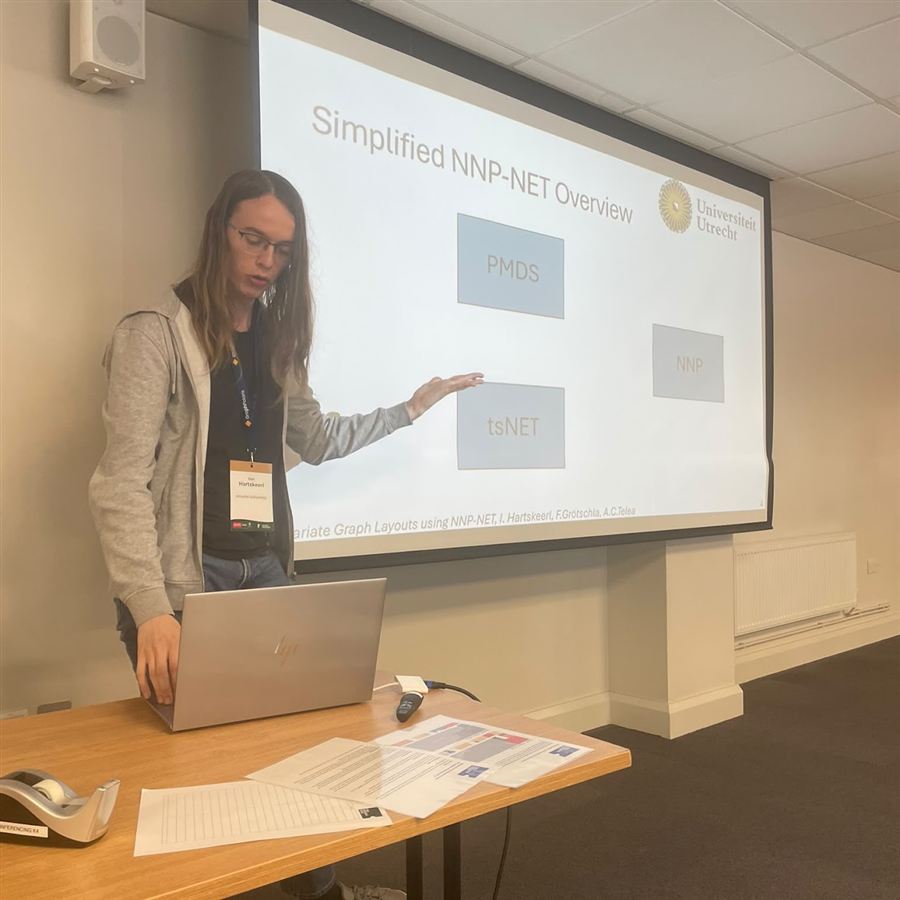
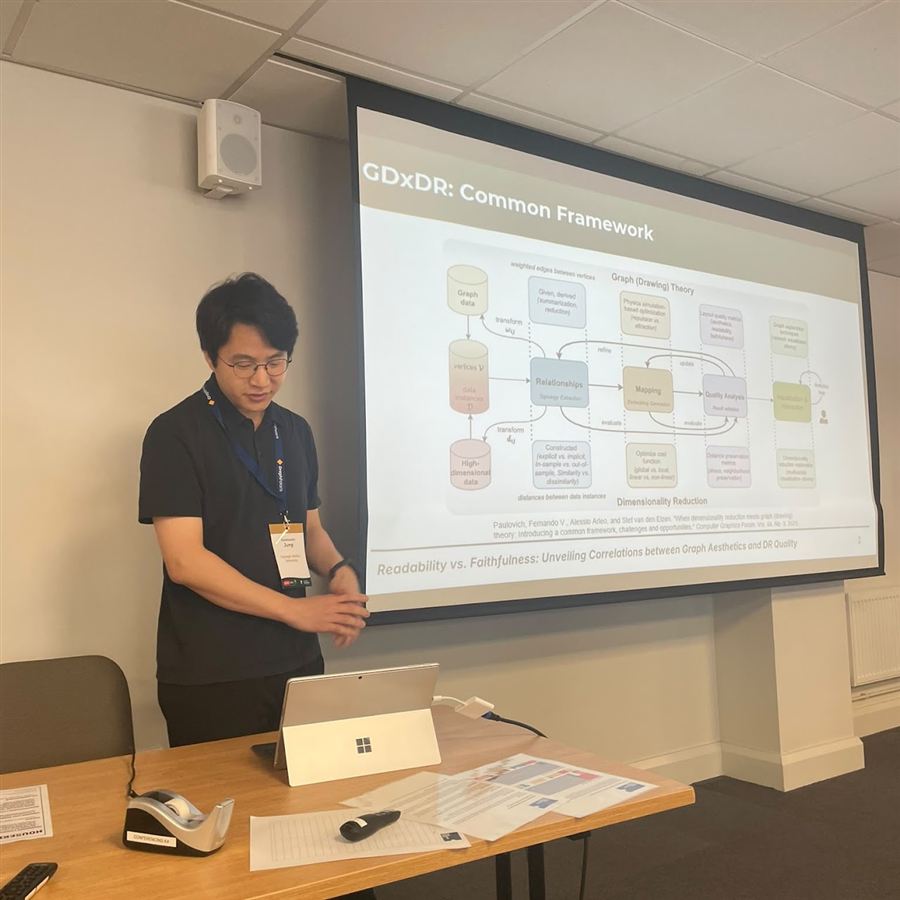
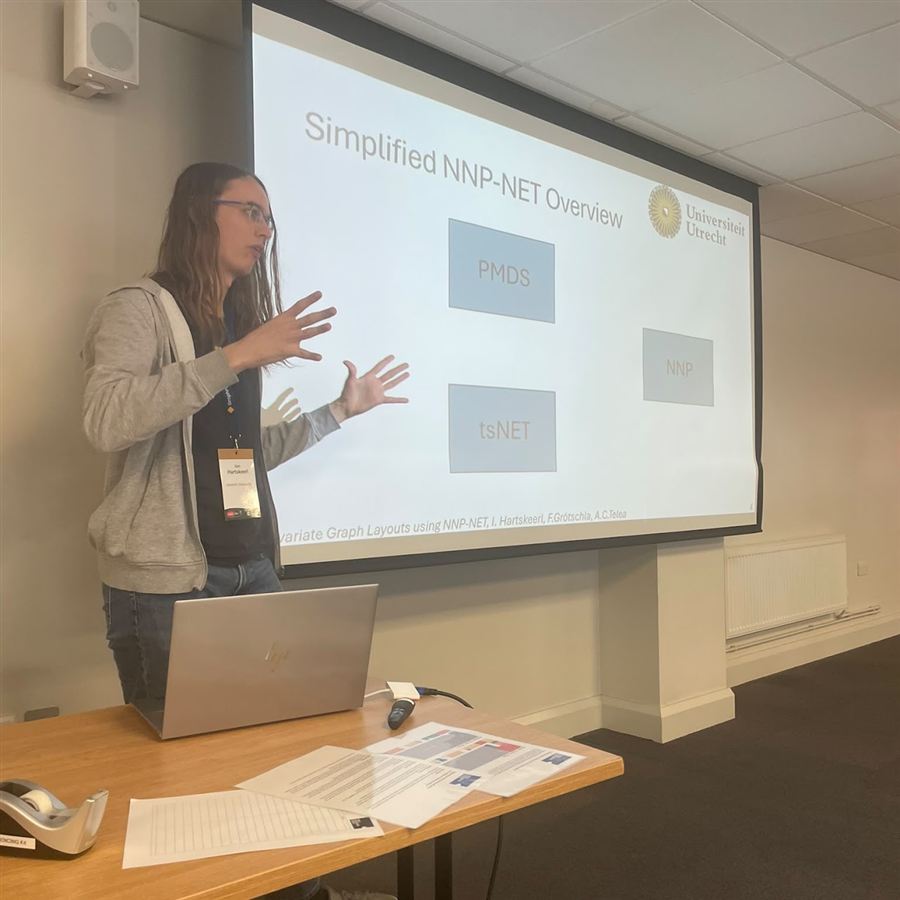
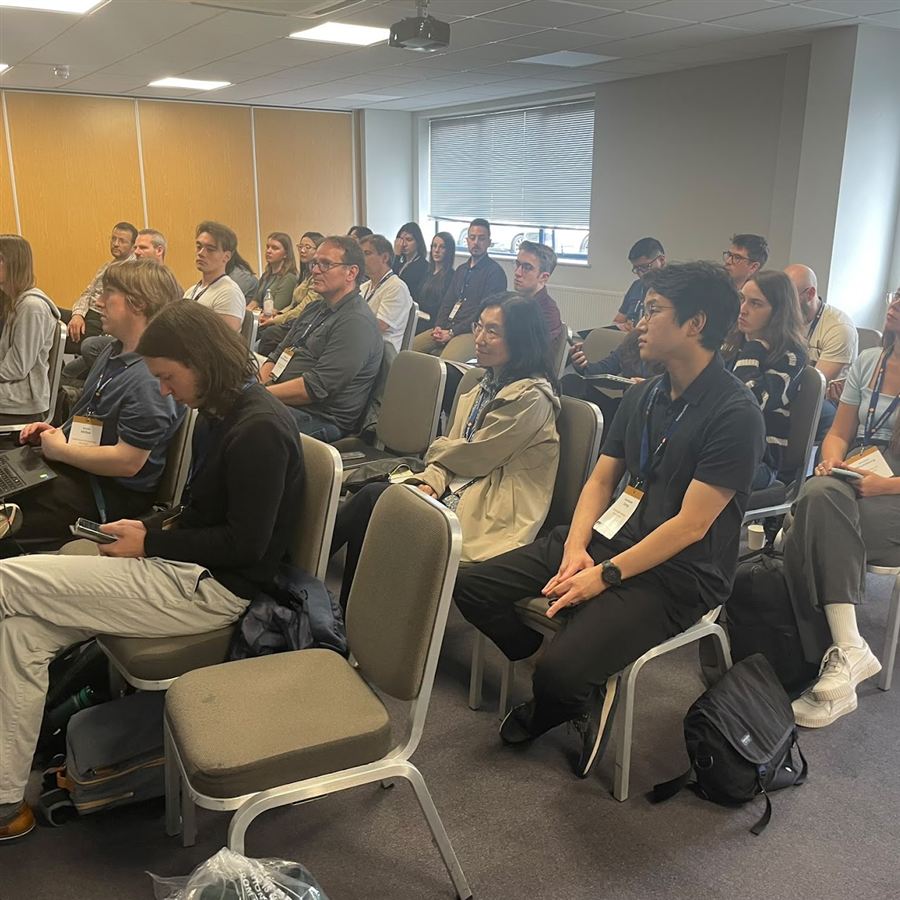
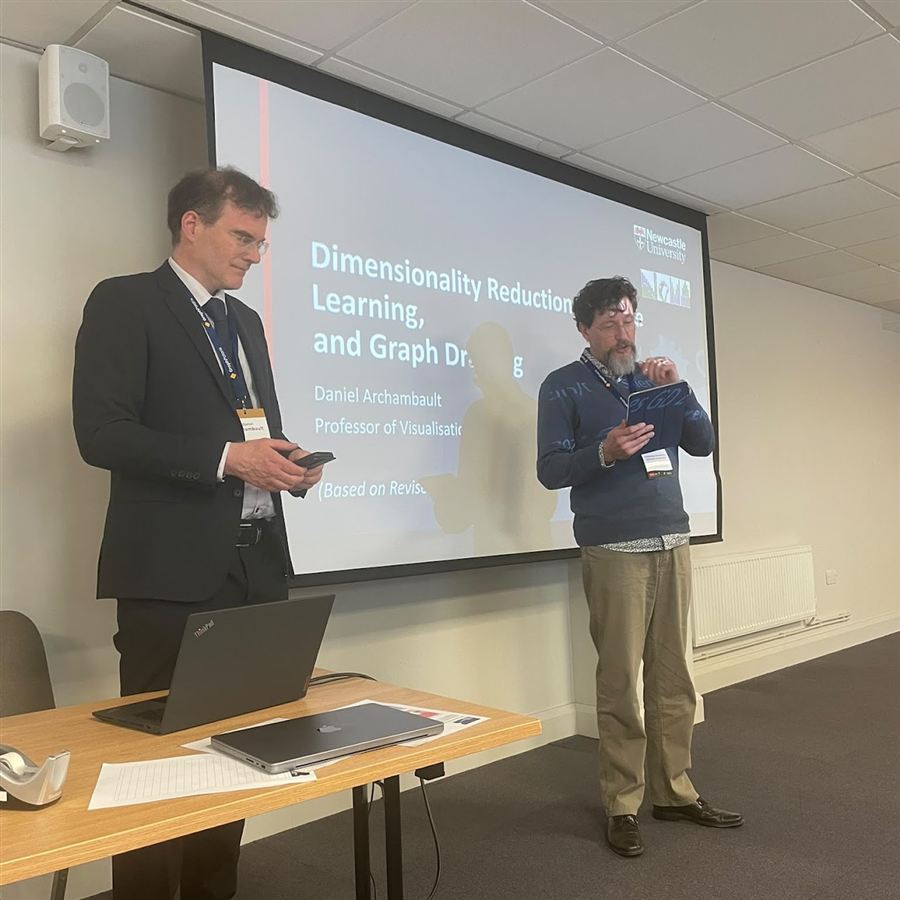
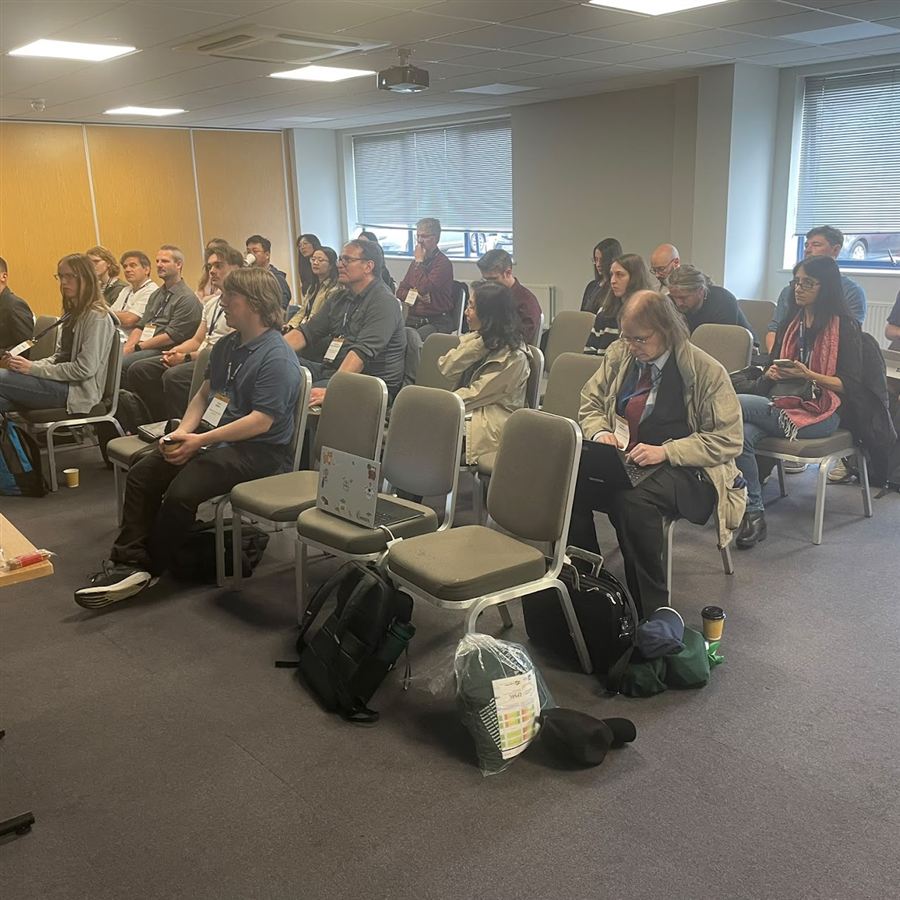
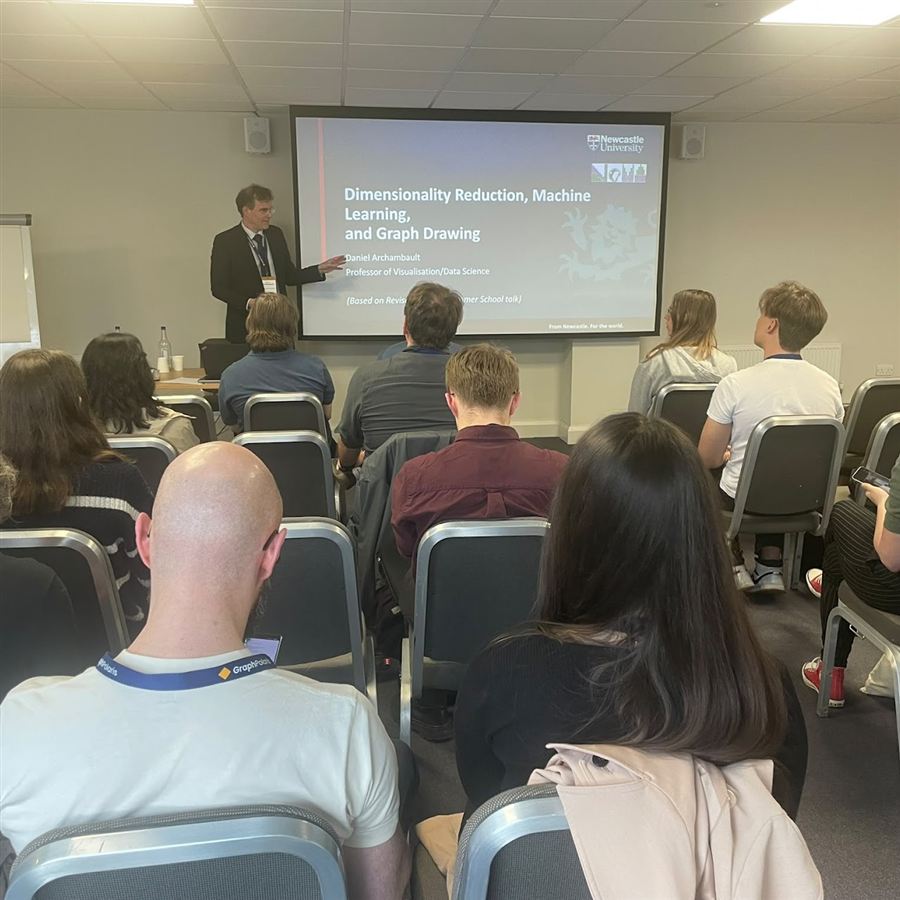
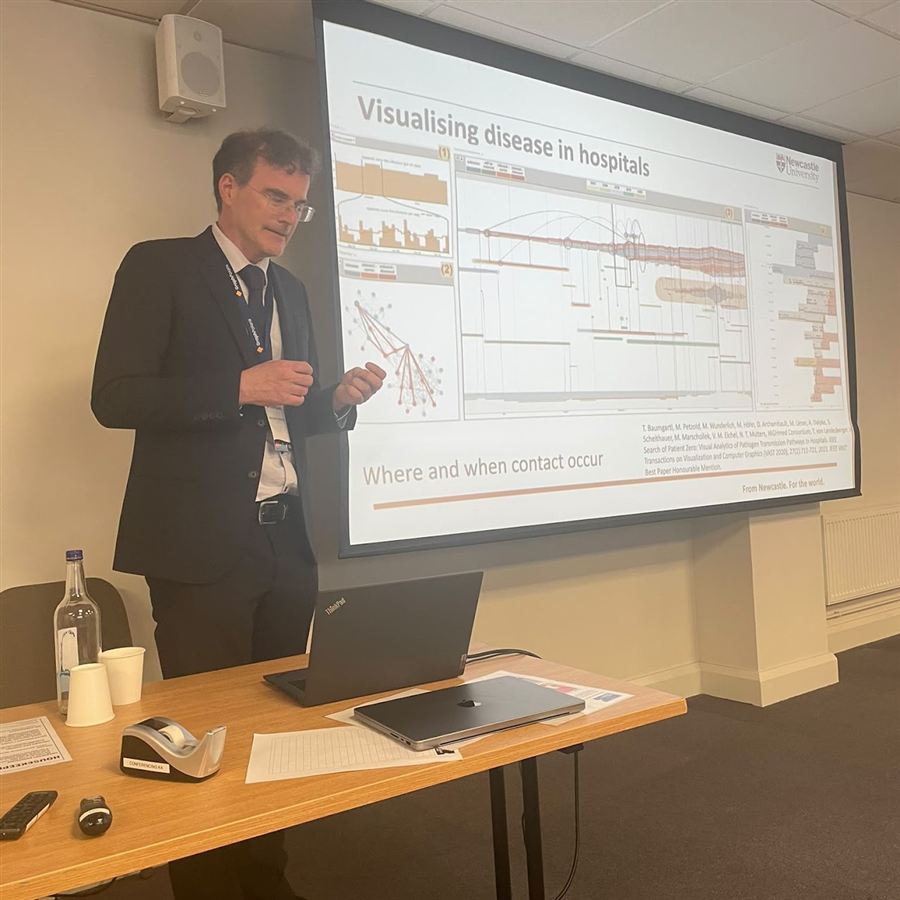
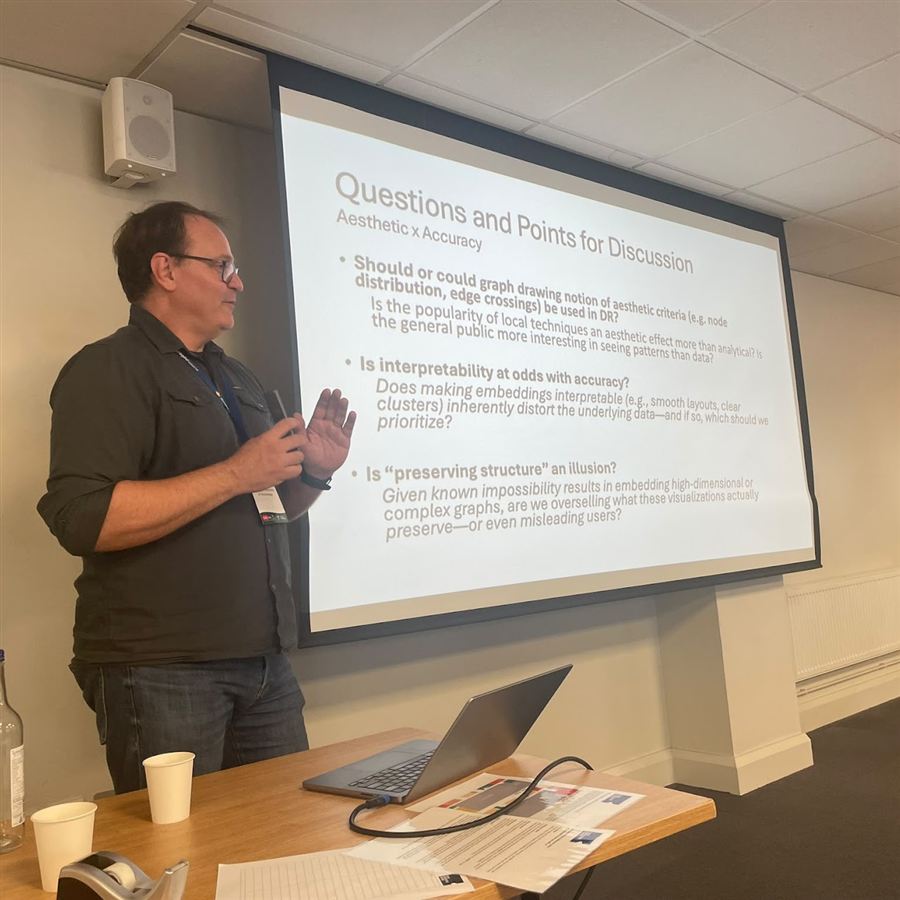
The first GDxDR at EuroVis 2026 in Nottingham, UK, drew a full room and contributions from well-known researchers on both sides. The 2027 edition takes place at EuroVis 2027 in Stuttgart, Germany, from 31 May to 4 June 2027, hosted by the University of Stuttgart and Stuttgart Technical University of Applied Sciences. No prior expertise in GD or DR is needed to attend, and participation is not limited to authors.
A shared position on evaluation and methodology: the pitfalls both fields hit and what better practice looks like.
How each field can benefit from the other, with open challenges and research directions mapped by participants.
Connections across GD and DR groups that lead to joint projects, co-authored papers and future editions.
We welcome work on any connection between the two fields, including:
How principles from graph theory inform DR and vice versa: stress, neighbourhoods, embeddings, layouts.
Quality metrics that are correlated, conflicting or insufficient alone, and better evaluation strategies.
Stability, trustworthiness and embedding quality, and how people read and trust the result.
Comparing real and synthetic user data in studies and benchmarks.
Methods and metrics that hold up for large networks and high-dimensional data.
Case studies and applications where one field successfully informed the other.
Multivariate and multilayer networks, node types, flow and dynamics where they meet embedding techniques.
Assumptions both communities make about readability and faithfulness.
We invite researchers, practitioners and educators interested in the connections between GD and DR, from established scholars to early-career researchers. We particularly encourage work that shows cross-domain relevance, proposes new methodological approaches, or reports on concrete application scenarios.
Case studies, usage scenarios, comparative analyses or methodological contributions that highlight links between GD and DR. Empirical studies, critiques of current practice, new evaluation strategies, and reports where one field successfully informed the other are all welcome.
At least one reviewer is a member of the program committee. Papers are judged on clarity, relevance and potential to stimulate discussion. Novel insights and critical reflection count as much as empirical rigour.
Keynote speaker to be announced.